Belmont Park Village

Belmont Park Village

Play

About

PROJECT
  • Brand: Belmont Park
  • Year: 2025
  • Industry: Retail & Lifestyle
  • Location: Worldwide
  • Link: belmontparkvillage.com
DELIVERABLES
  • Research & Discovery
  • UX Design
  • UI Design
  • Website Development
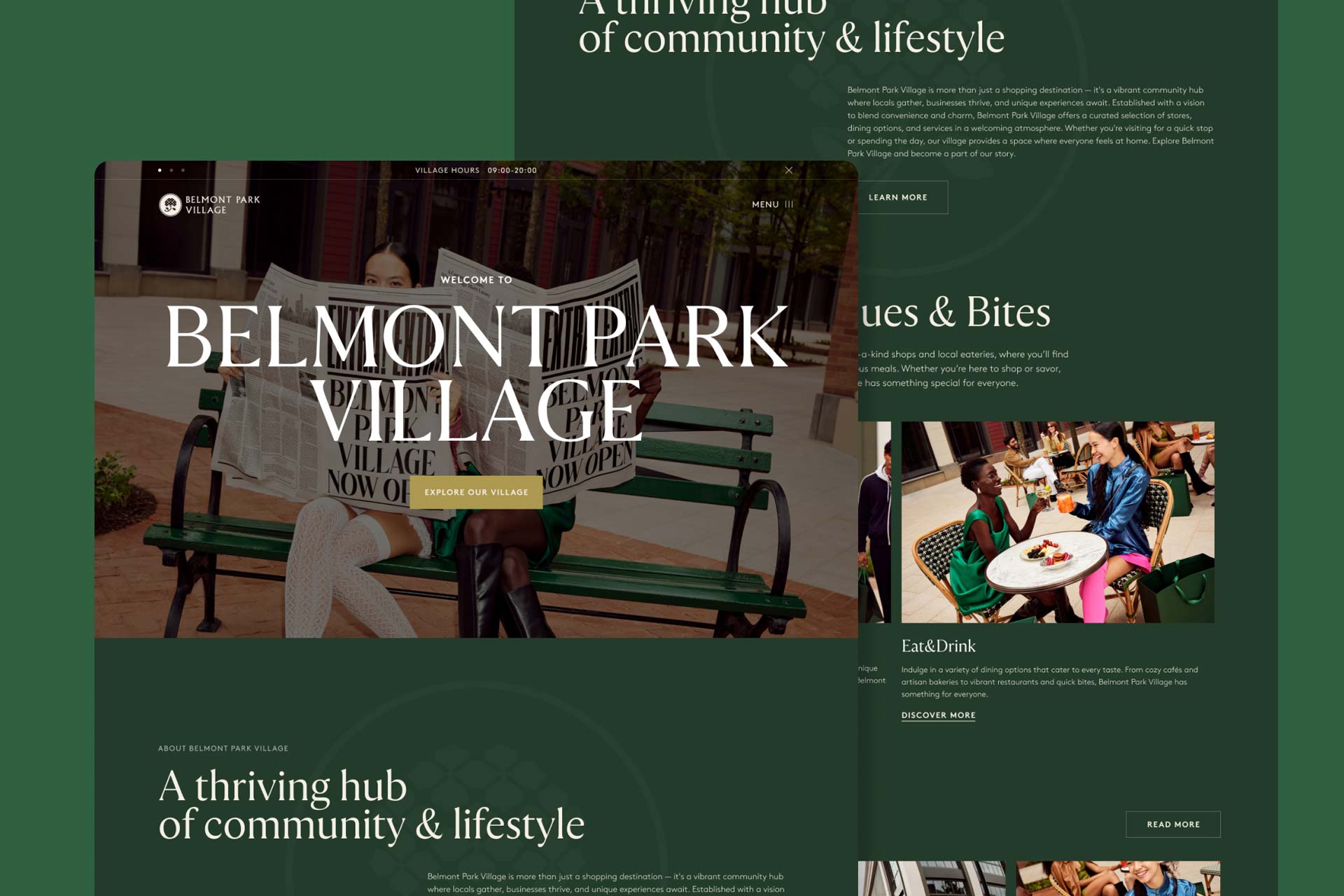
Belmont Park Village, the first North American destination of The Bicester Collection, offers designer fashion, dining, and world-class guest services.

Elevating a Luxury Brand Online

As the first North American destination in The Bicester Collection, Belmont Park Village required a digital experience that embodied the sophistication of one of the world’s leading luxury retail brands. The challenge was to translate the Village’s elevated in-person experience into a digital platform that could seamlessly guide visitors through a rich ecosystem of designer boutiques, dining, amenities, and services while maintaining the refined standards of the global collection.

Partnering closely with the Belmont Park Village team, we designed and developed a digital experience that balances clarity with elegance. A considered information architecture, intuitive user journeys, refined typography, and understated visual design create a seamless experience across every touchpoint. Fully responsive and accessible, the platform reinforces the Village’s premium positioning while making it effortless for visitors to explore, plan, and engage with the destination before they arrive.
Guiding Visitors Seamlessly to Their Visit

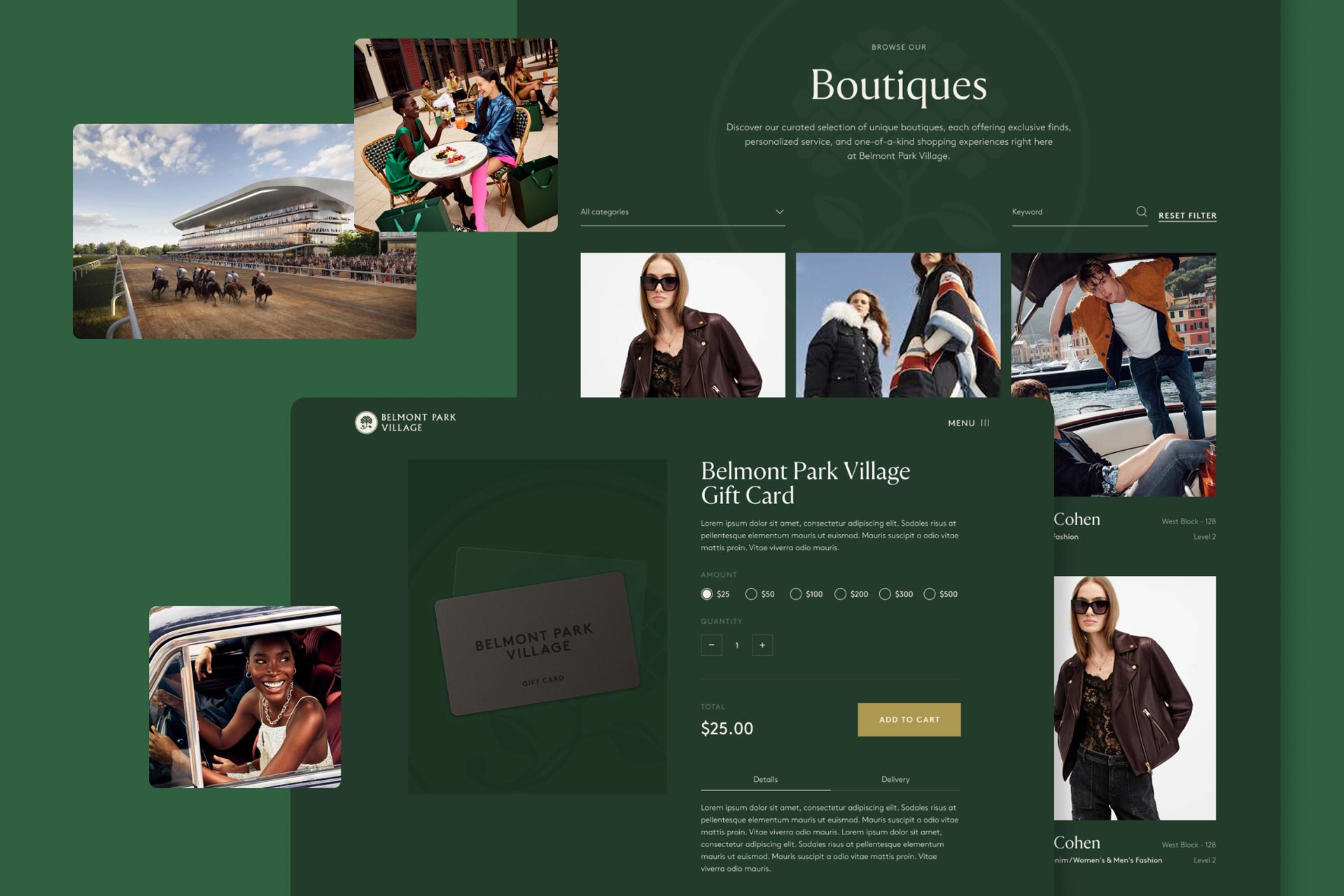
With multiple access points – train, parking, shuttles, and proximity to UBS Arena – the biggest challenge was simplifying wayfinding. The redesigned site provides clear, user-friendly arrival information, interactive maps, and streamlined transportation guidance, reducing friction and helping guests plan their visit with confidence.
Clarifying a Complex Destination

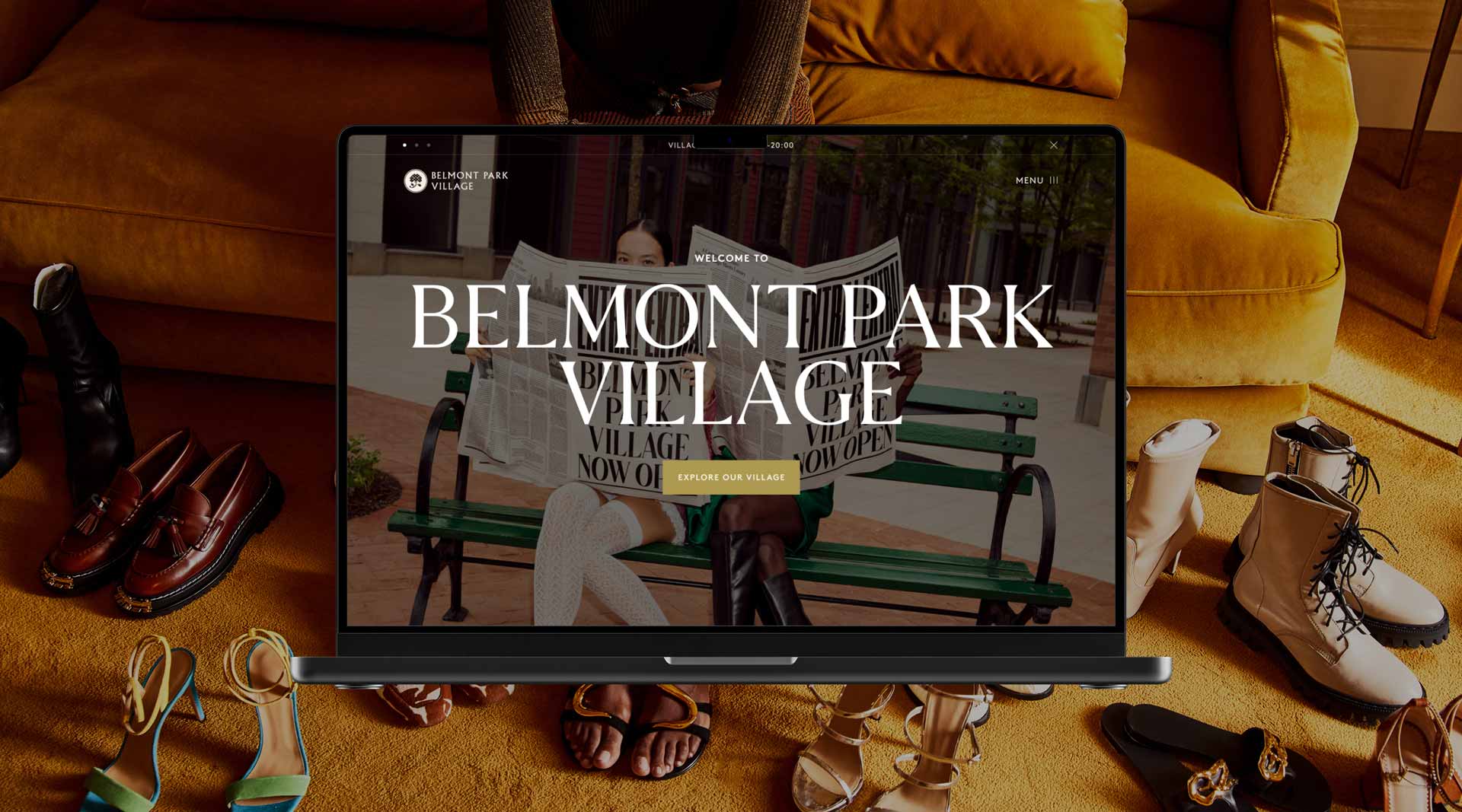
Belmont Park Village offers shopping, dining, events, and world-class guest services – but communicating all of that clearly was a challenge. Through thoughtful UX architecture and intentional content hierarchy, the website distills a multi-layered destination into a clear, intuitive experience that helps visitors quickly understand what the Village offers.

Rechler Business District

Rechler Business District

Play

About

PROJECT
  • Brand: Rechler Equity Partners
  • Year: 2023
  • Industry: Real Estate
  • Location: Worldwide
  • Link: rechlerbusinessdistrict.com
DELIVERABLES
  • Brand Strategy
  • Brand Identity
  • UX Design
  • UI Design
  • Marketing Collateral
  • Interactive 3D
A dynamic digital experience designed to elevate a modern business district-bringing clarity, energy, and momentum to a growing hub for industry, innovation, and opportunity.

A Brand Built for Growth and Distinction

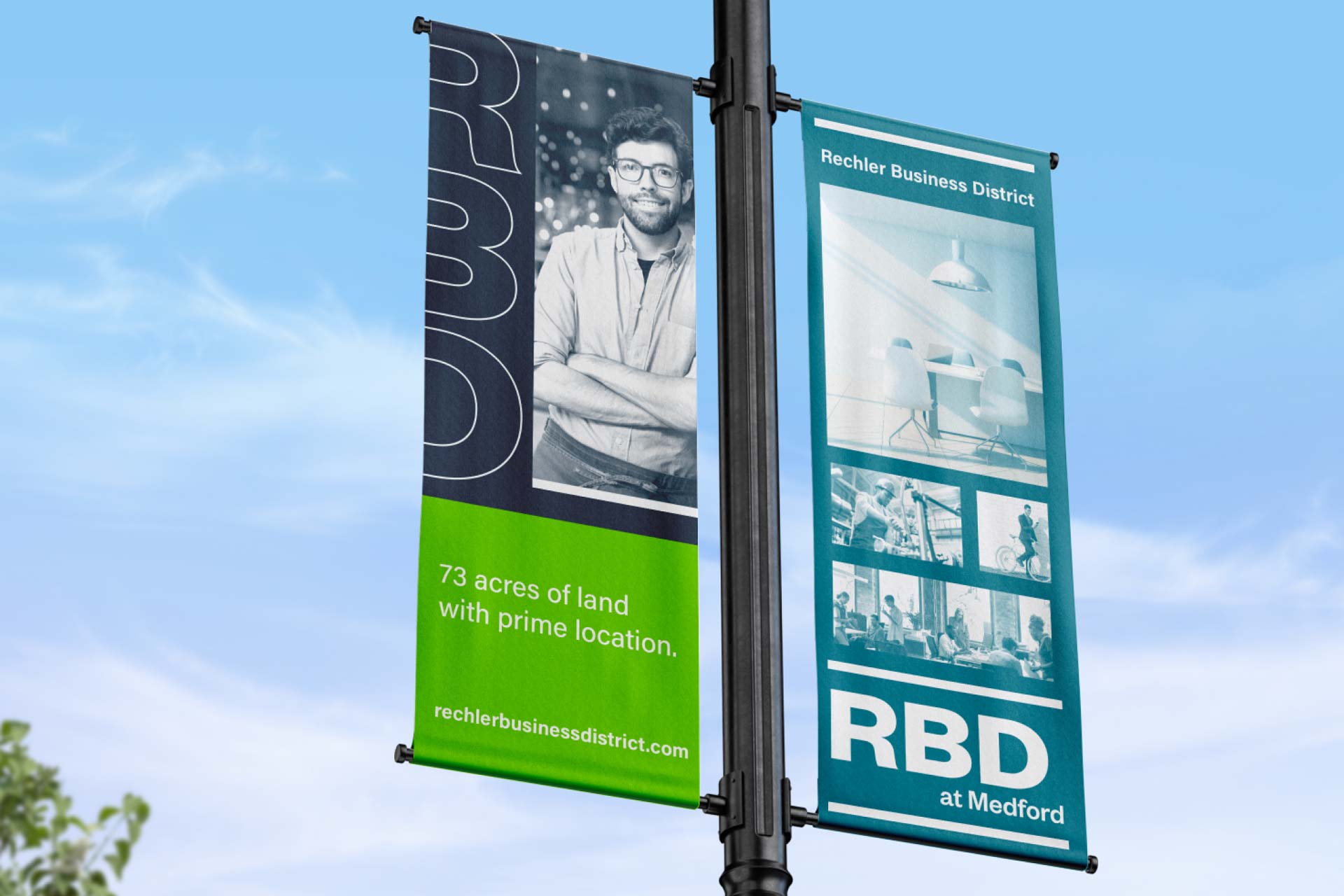
Rechler Business District (RBD) is a modern, adaptable business park in Medford, NY, developed by Long Island real estate leader Rechler Equity Partners. Spanning 73 acres, RBD offers flexible, high-quality spaces designed to attract developers, tenants, brokers, and business owners looking for opportunity and growth.

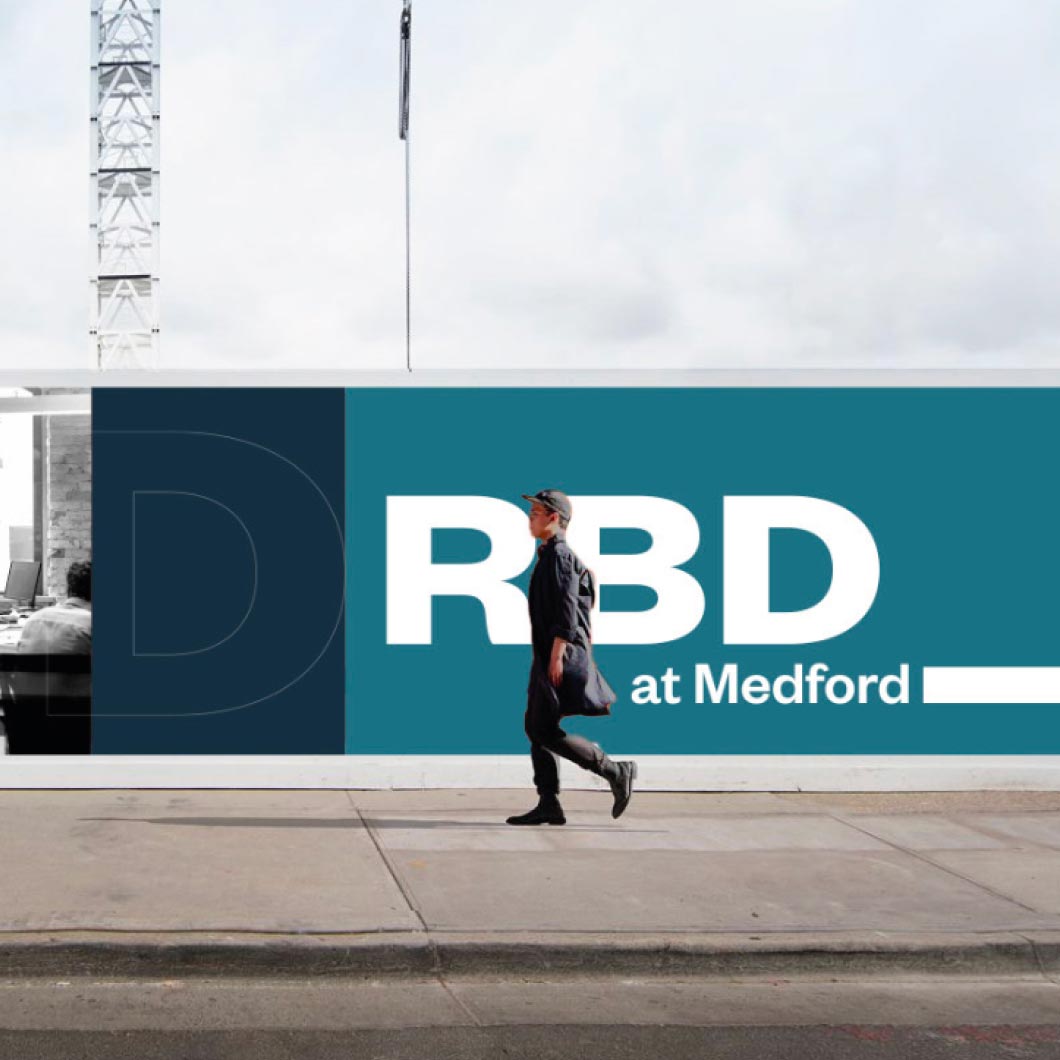
The brand builds on Rechler’s legacy while giving RBD its own bold, vibrant identity. Clean, modern visuals and a cohesive digital and physical experience showcase the community, energy, and long-term value of the new locationbringing the business park to life for everyone who interacts with it.

Brand Expression: Identity with Purpose

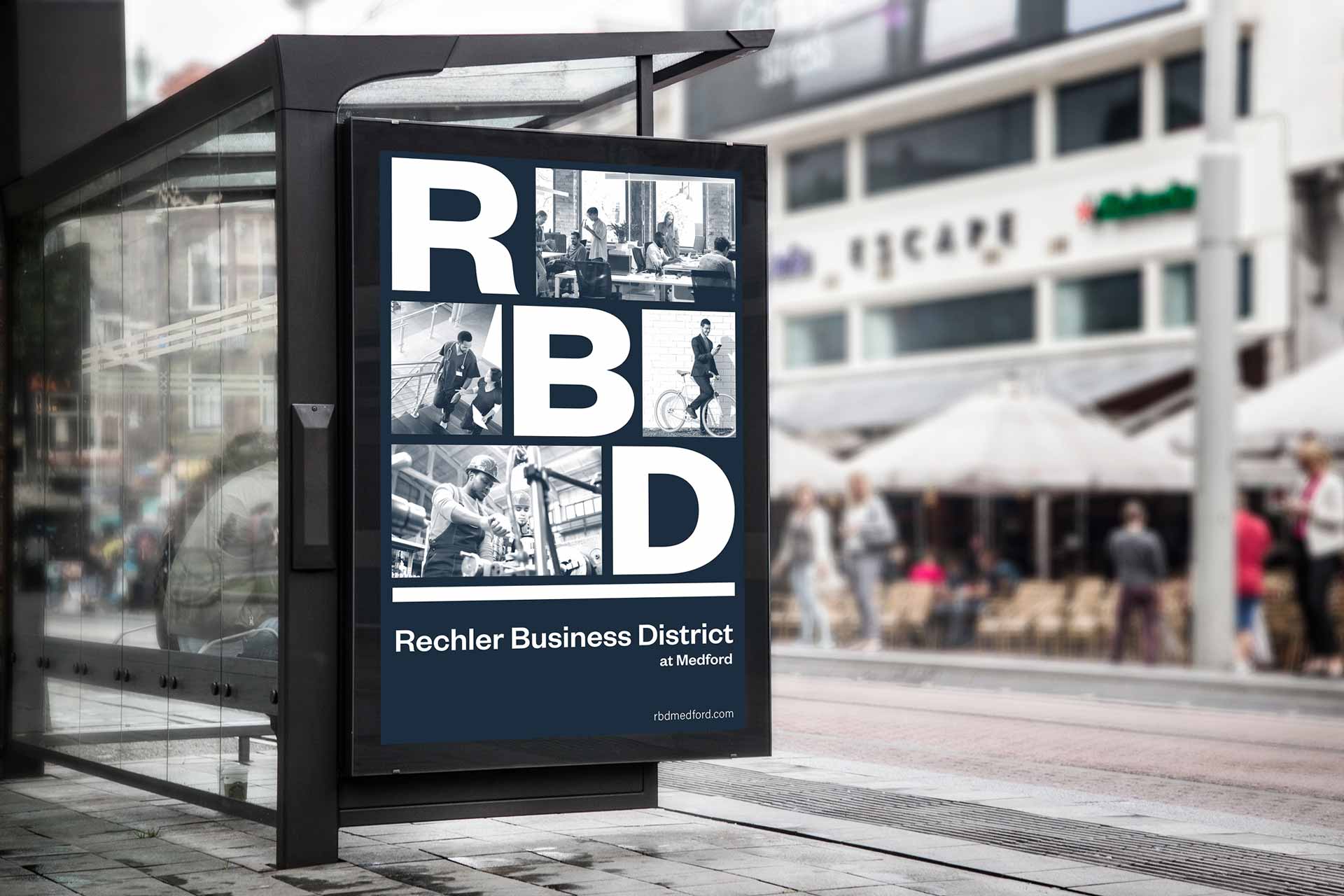
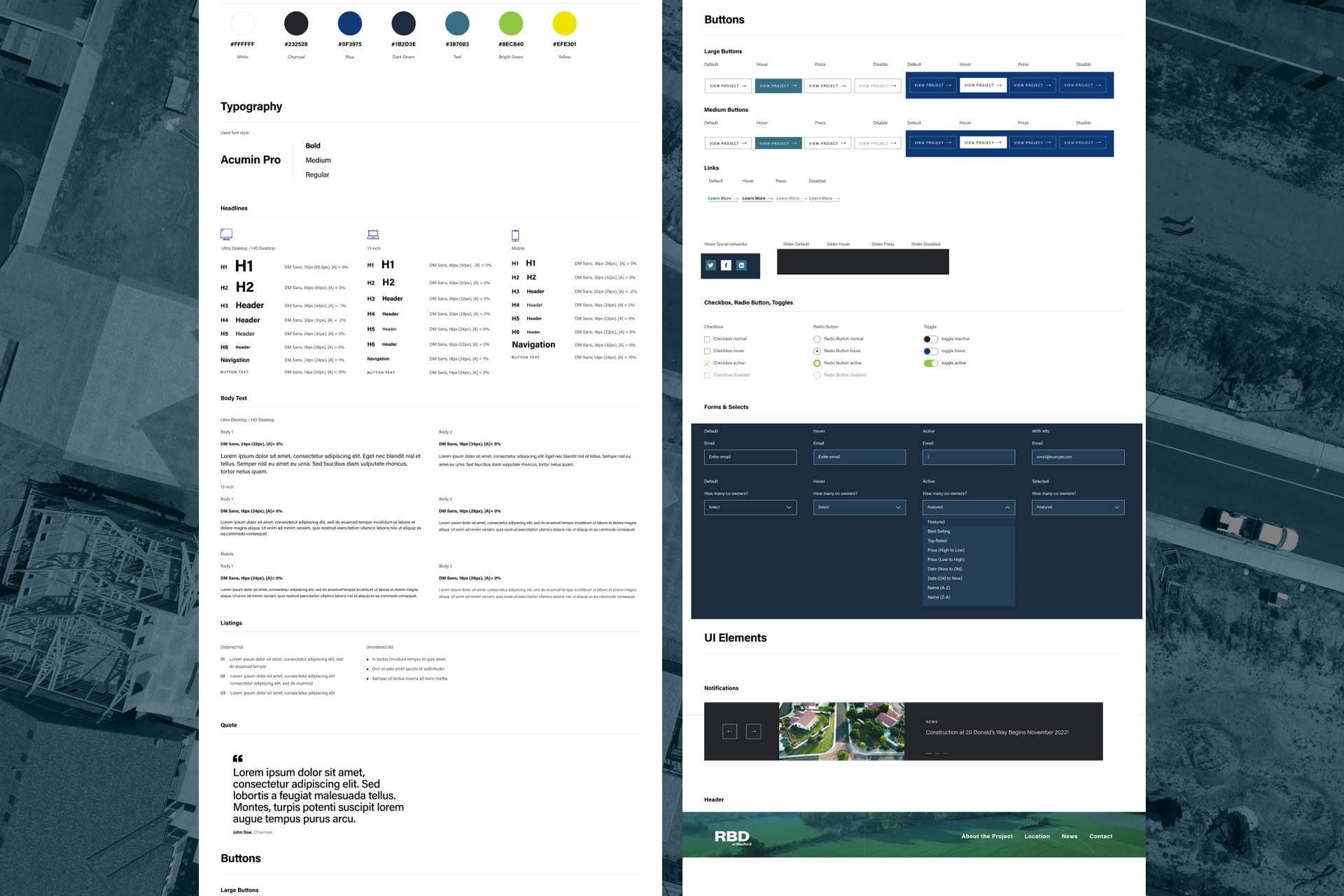
Rooted in the Rechler Equity Partners parent brand ecosystem, the visual identity system embraces bold contrasts, modern typography, and purposeful use of color and form. It reflects the project’s scale and ambition – bold enough to stand out in a competitive commercial real estate landscape, yet refined to convey sophistication and trust.

Brand elements are applied consistently across digital and marketing collateral, reinforcing RBD’s forward-looking positioning and appealing directly to the project’s target audiences: real estate brokers, developers, business owners, and industrial partners.

Web Experience: Interactive, lmmersive, Strategic

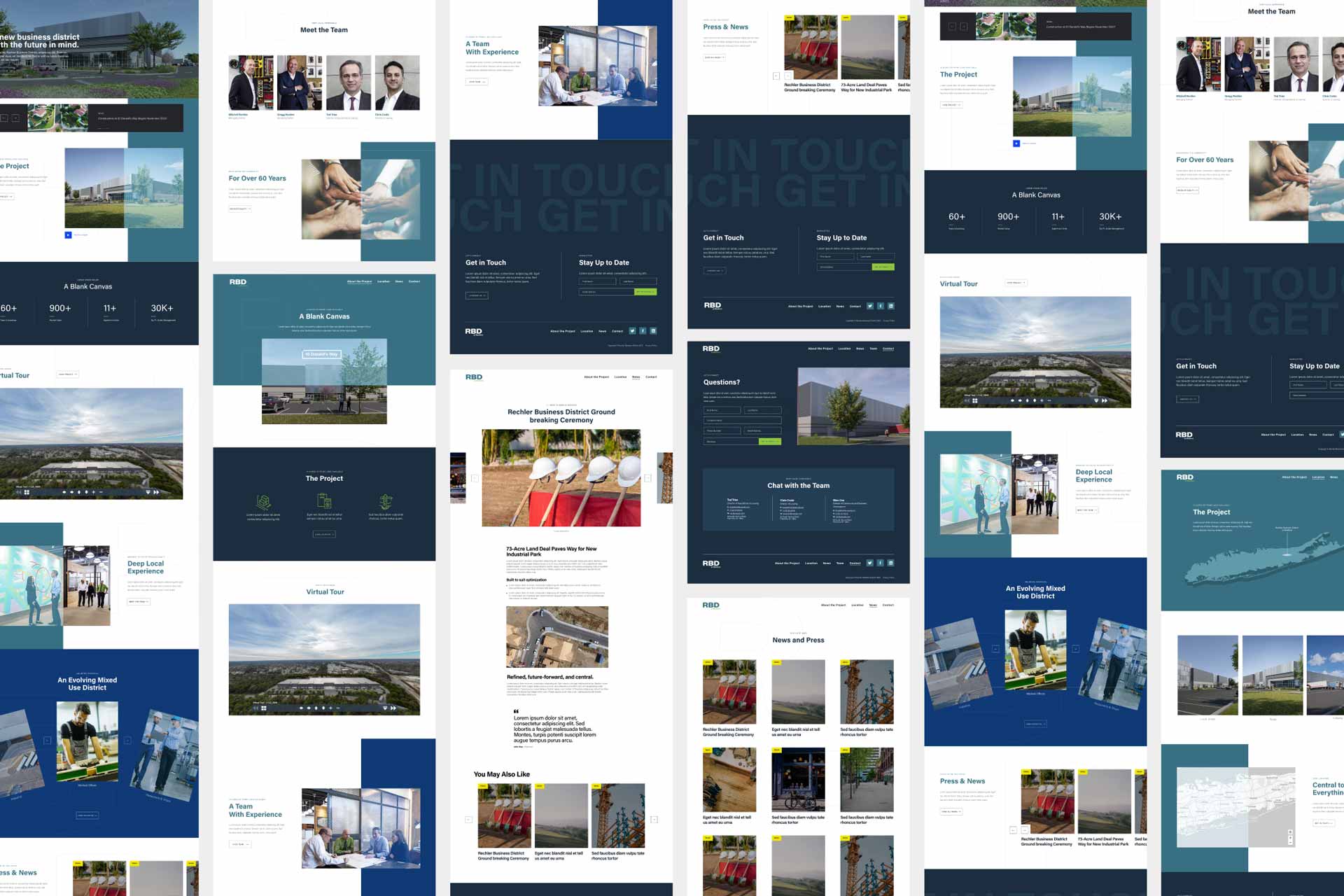
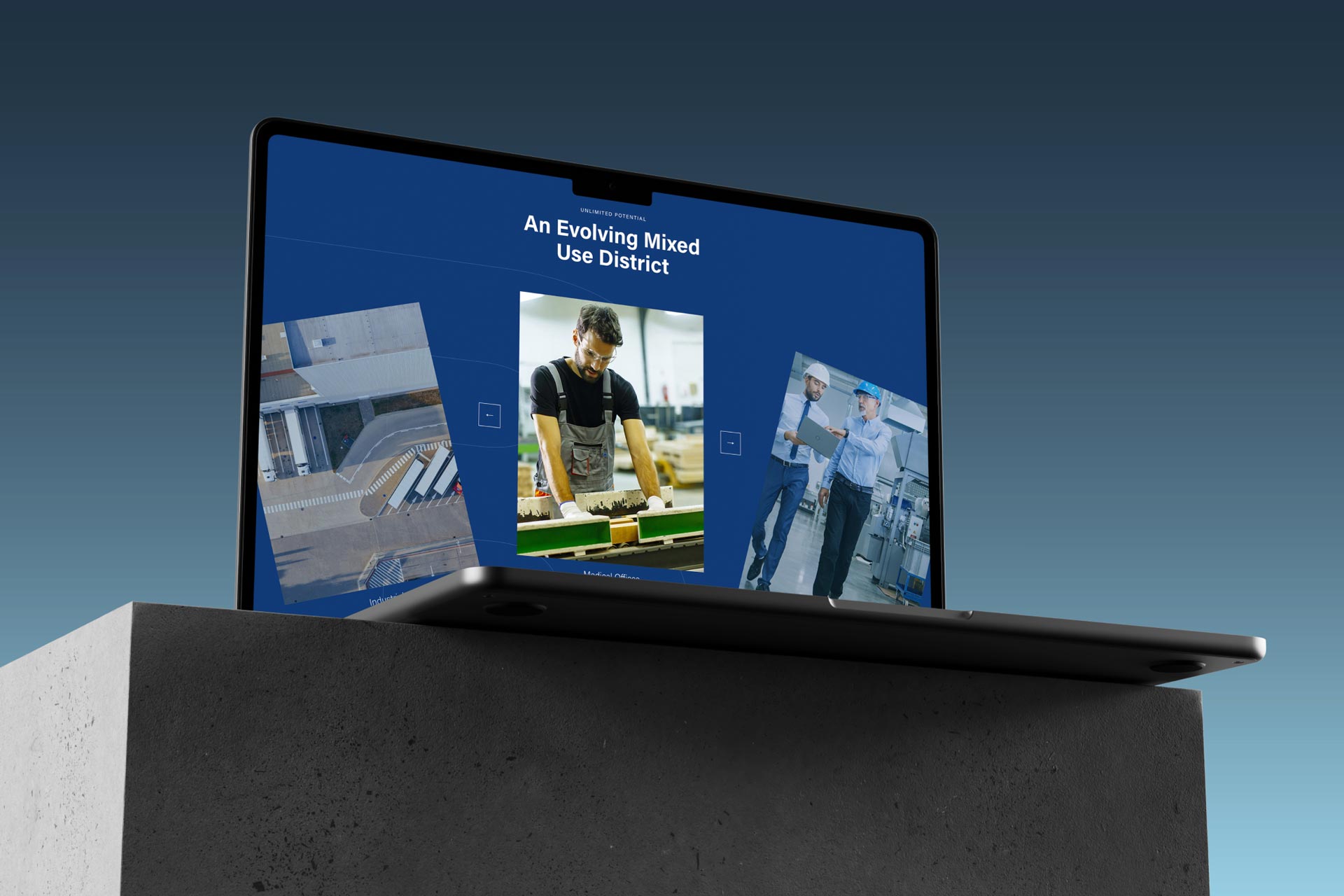
The Rechler Business District website serves as the central hub of the project’s digital presence. It is bold, clean, and modern – designed to speak to a professional and discerning audience while maximizing engagement and usability.

  • Custom 3D Renderings: High-impact visuals that bring the site and space to
    life.
  • Interactive 3D Tours: lmmersive walkthroughs to help prospects visualize the
    park, buildings, and future possibilities.
  • Dedicated Marketing Collateral: Easy access to brochures, site plans, and
    downloadable assets for brokers and tenants.
  • Built-for-Audience Navigation: Intuitive UX designed specifically for Realtors,
    developers, and business partners – providing clear paths to key information
    and inquiry actions.

The site’s information architecture supports swift decision-making, positioning
RBD not just as a place to lease space, but as a compelling business destination.

Manifest

Manifest

Play

About

PROJECT
  • Brand: Manifest
  • Year: 2026
  • Industry: Technology
  • Location: Worldwide
  • Link: gomanifest.ai
DELIVERABLES
  • Brand Strategy
  • Brand Identity
  • UI Design
  • UX Design
  • Marketing Collateral
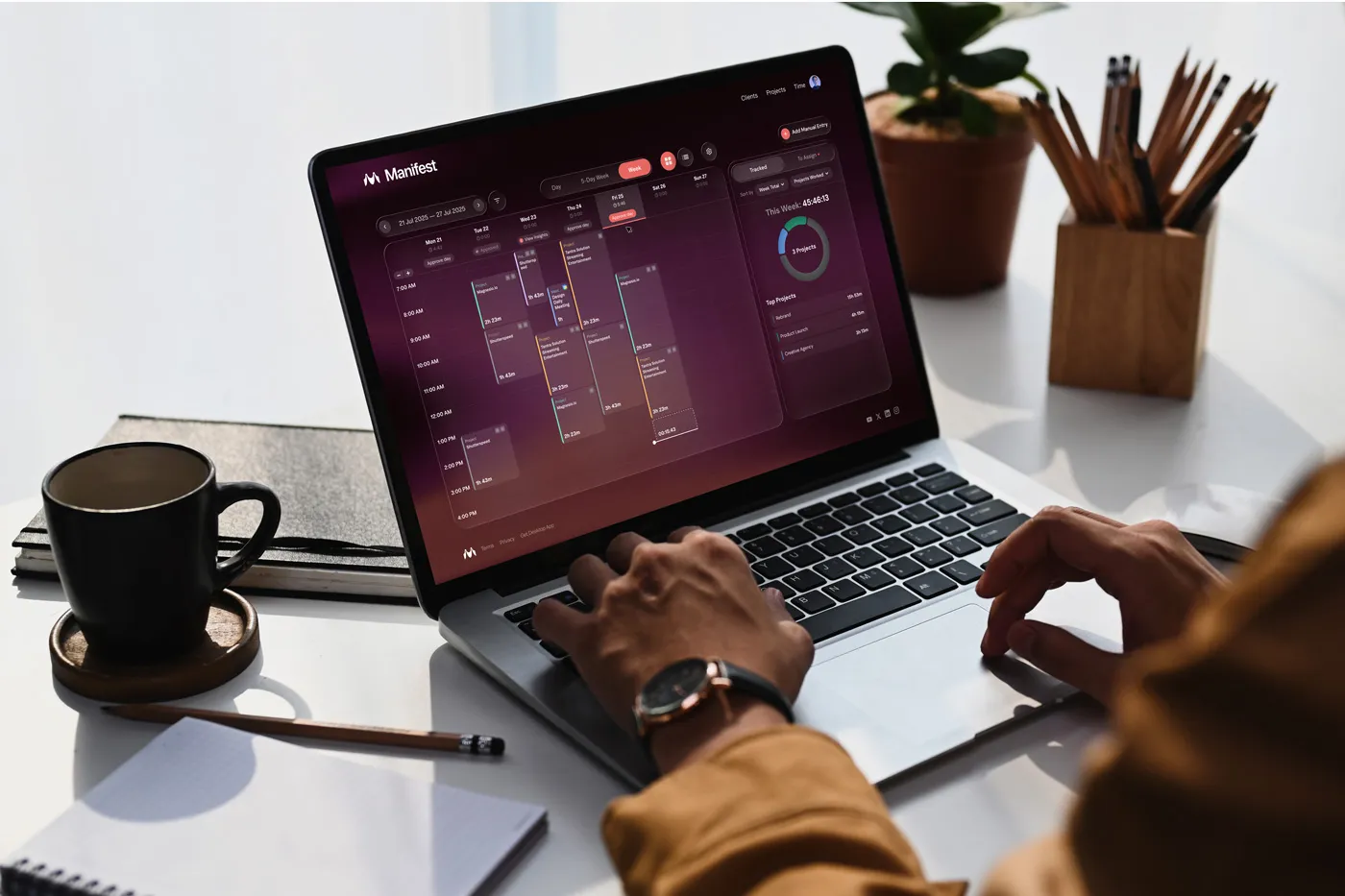
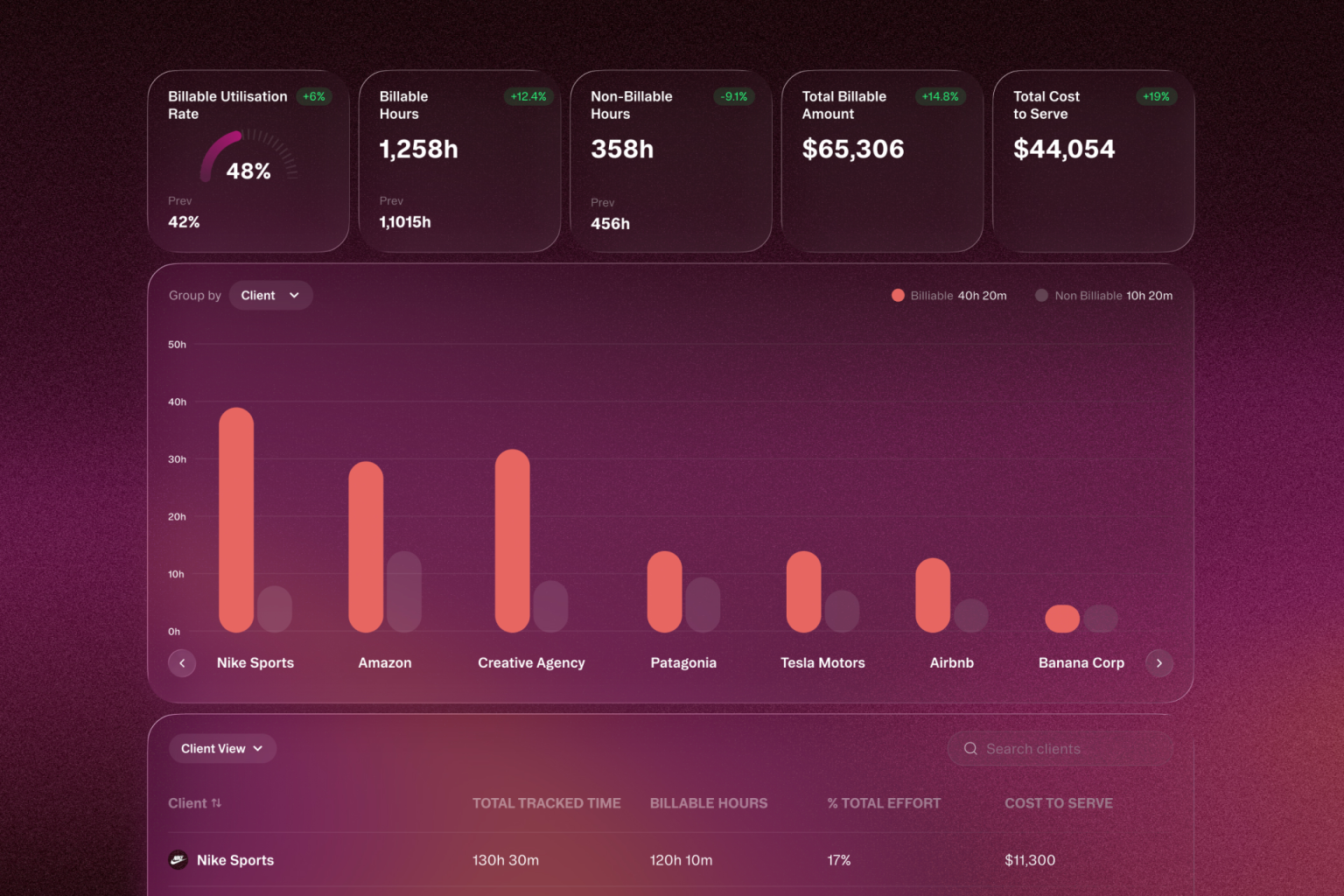
An AI-powered platform redesign that transforms time tracking into a seamless, intelligent system for understanding productivity, cost, and value across the modern agency.

Rethinking Time for the Modern Agency

Manifest approached RPPL with a clear ambition: evolve their product from an early-stage startup interface into a sophisticated platform built for the next generation of agencies.

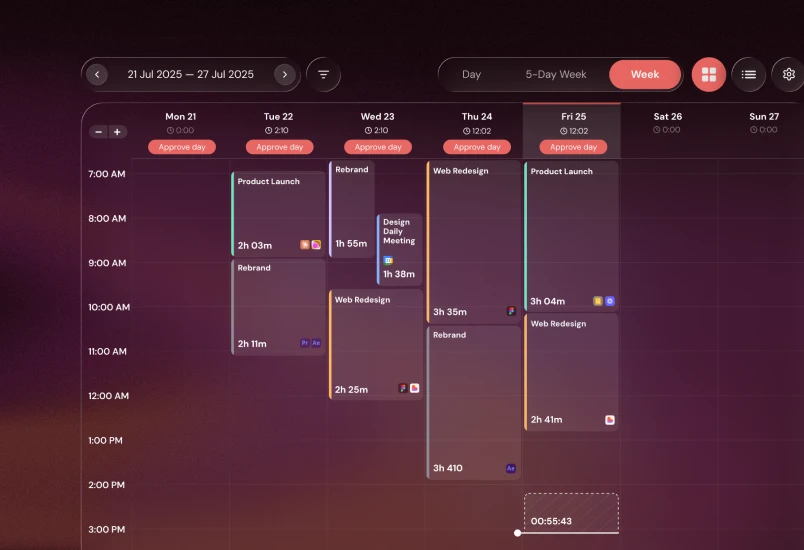
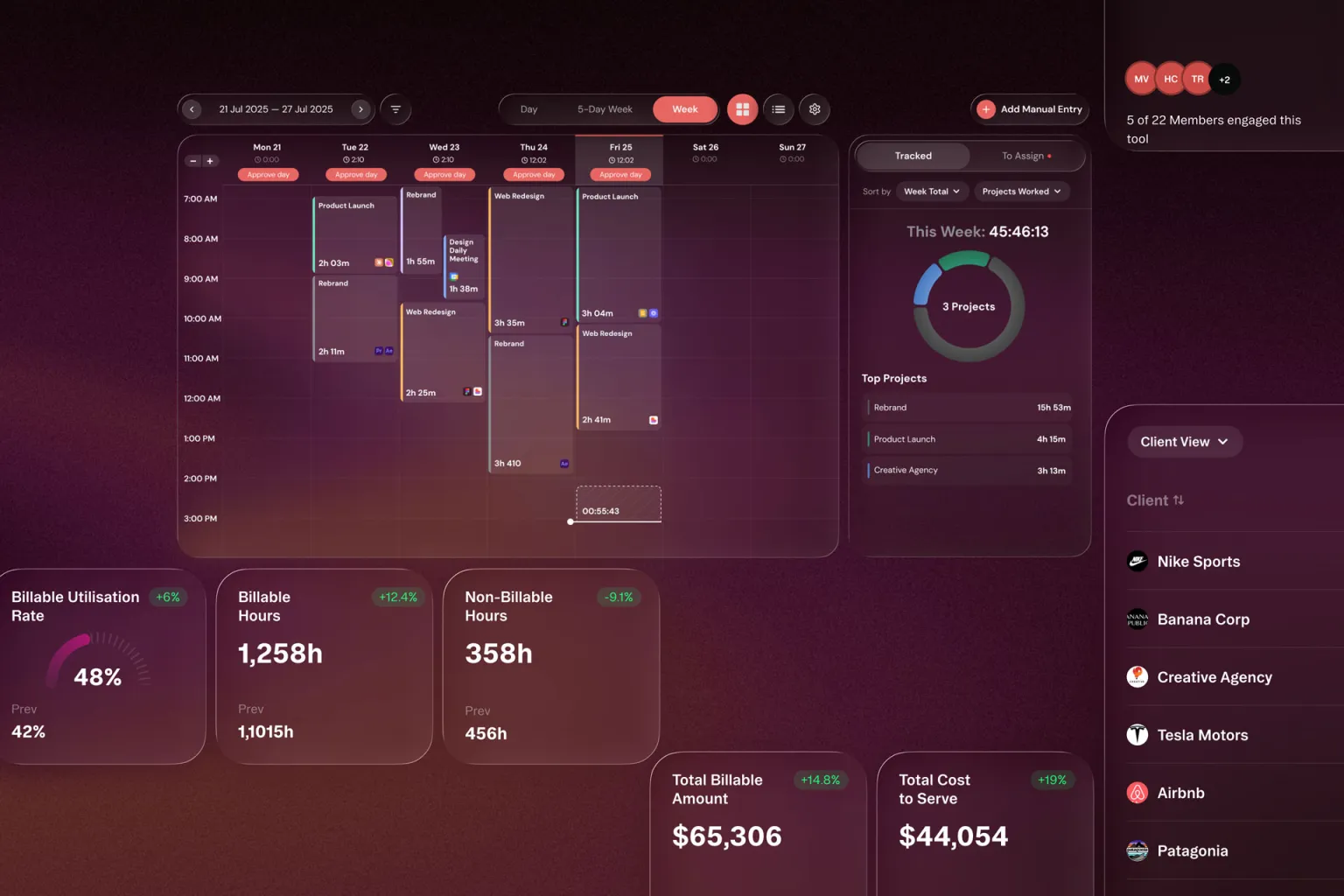
Manifest is designed as a purpose-built cost-to-serve engine for agencies operating in the AI era. The platform replaces outdated timesheets with automatic tracking and intelligent reporting, capturing how teams spend time across clients, projects, and tools without interrupting the flow of work.

Our challenge was to design an experience that reflected the intelligence of the platform itself—transforming complex operational data into something intuitive, trustworthy, and actionable.

Eliminating the Friction of Timesheets

For decades, timesheets have been a necessary but frustrating part of agency life—manual, inconsistent, and often inaccurate.

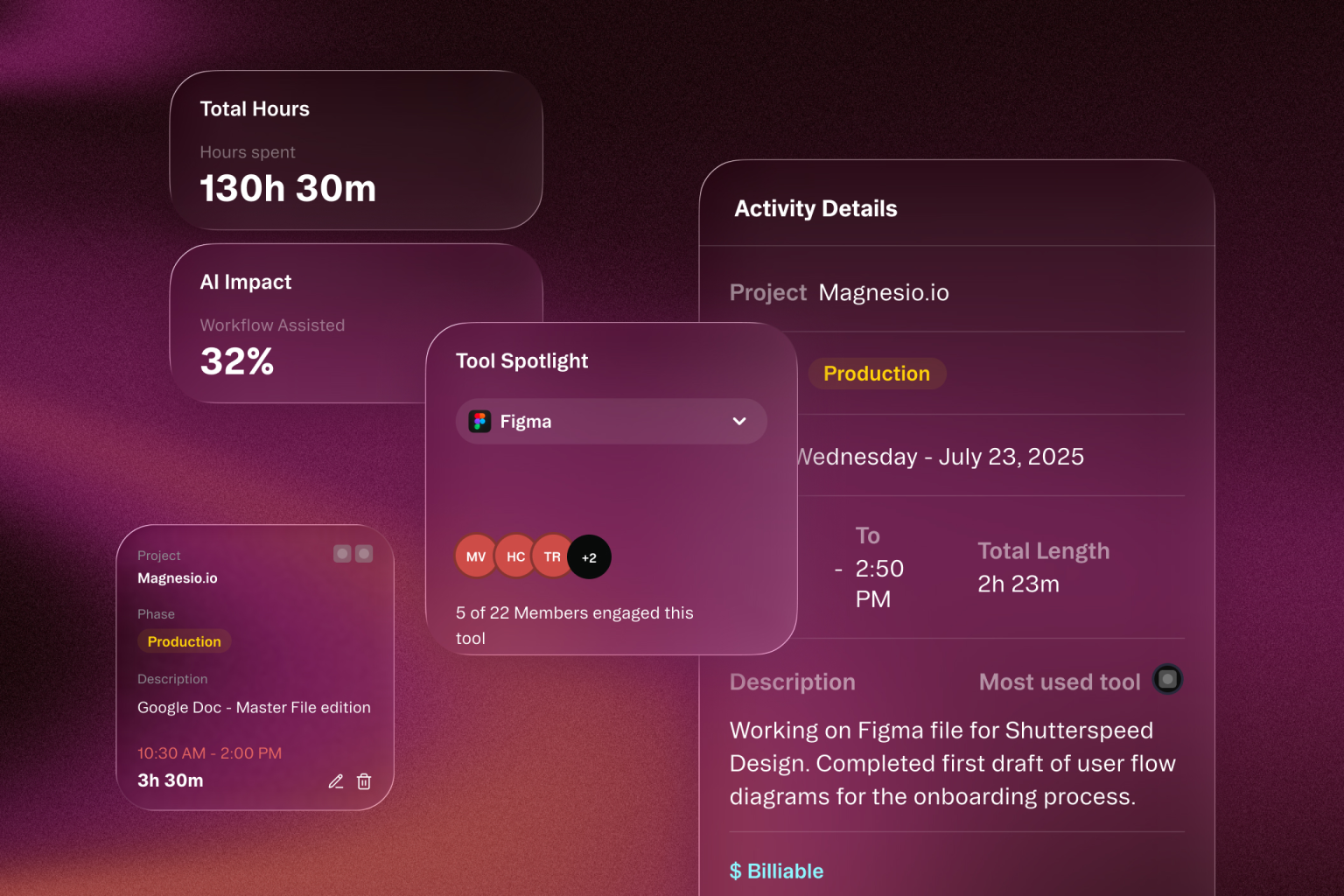
Manifest reimagines this process entirely. Instead of requiring employees to start timers or complete entries at the end of the week, the platform automatically captures activity in the background as work happens.

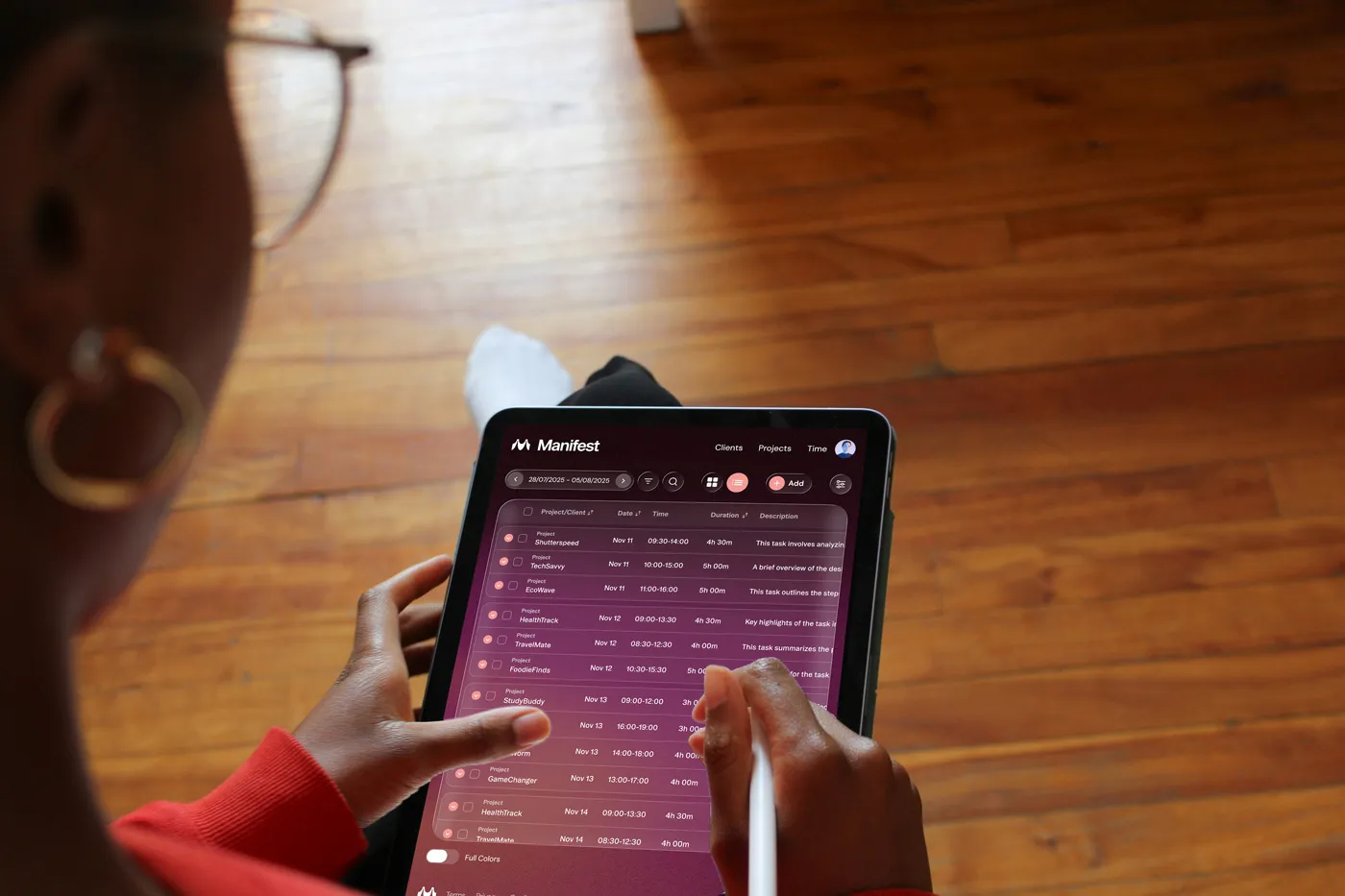
The redesigned interface centers on transparency and simplicity. Work is automatically organized by client, project, and phase, ensuring teams always have structured, accurate data without administrative overhead.

The result is a system that eliminates the friction of time reporting while giving agencies a far more accurate picture of how work actually unfolds.

Turning Activity into Insight

Time tracking is only valuable if it leads to better decisions.

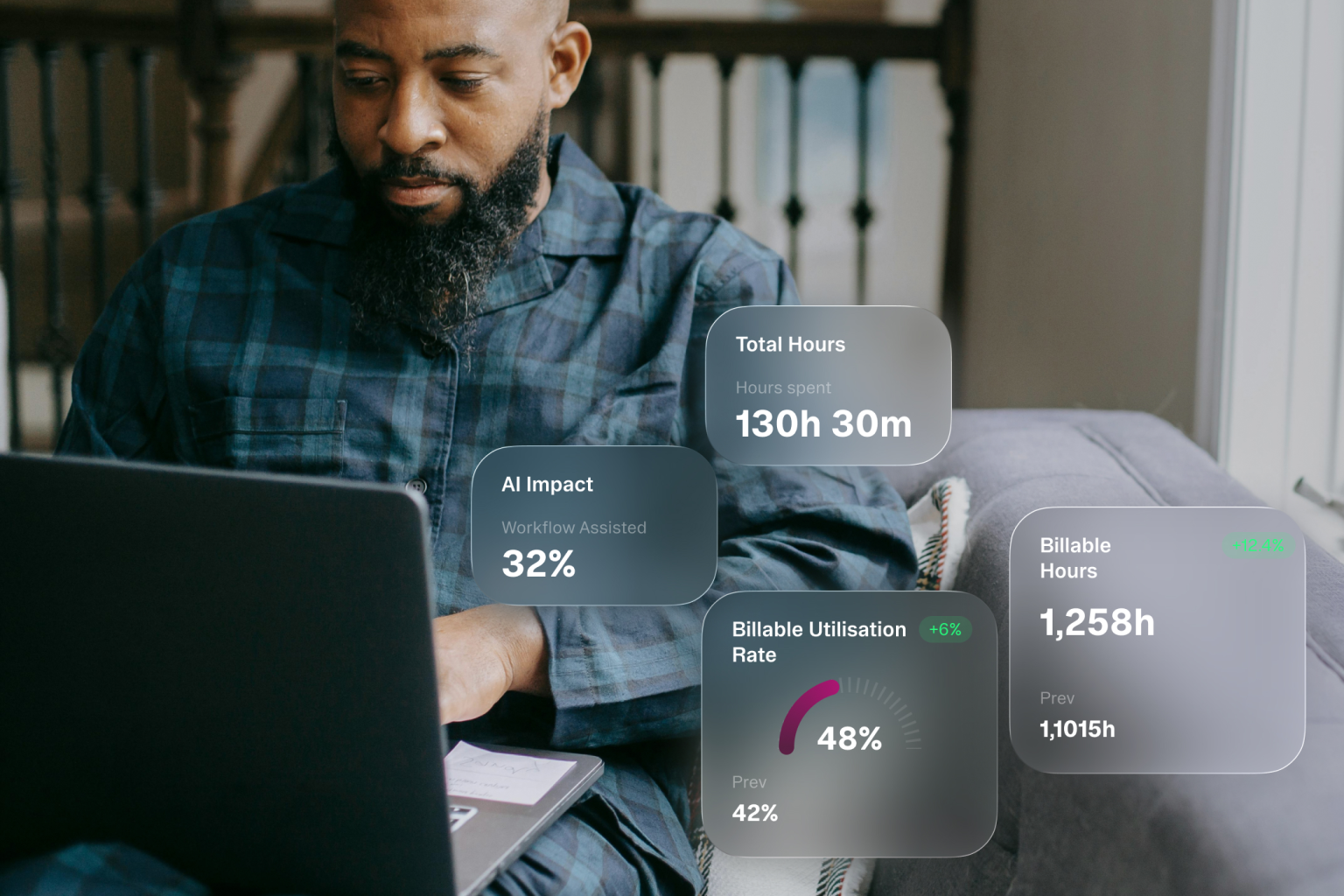
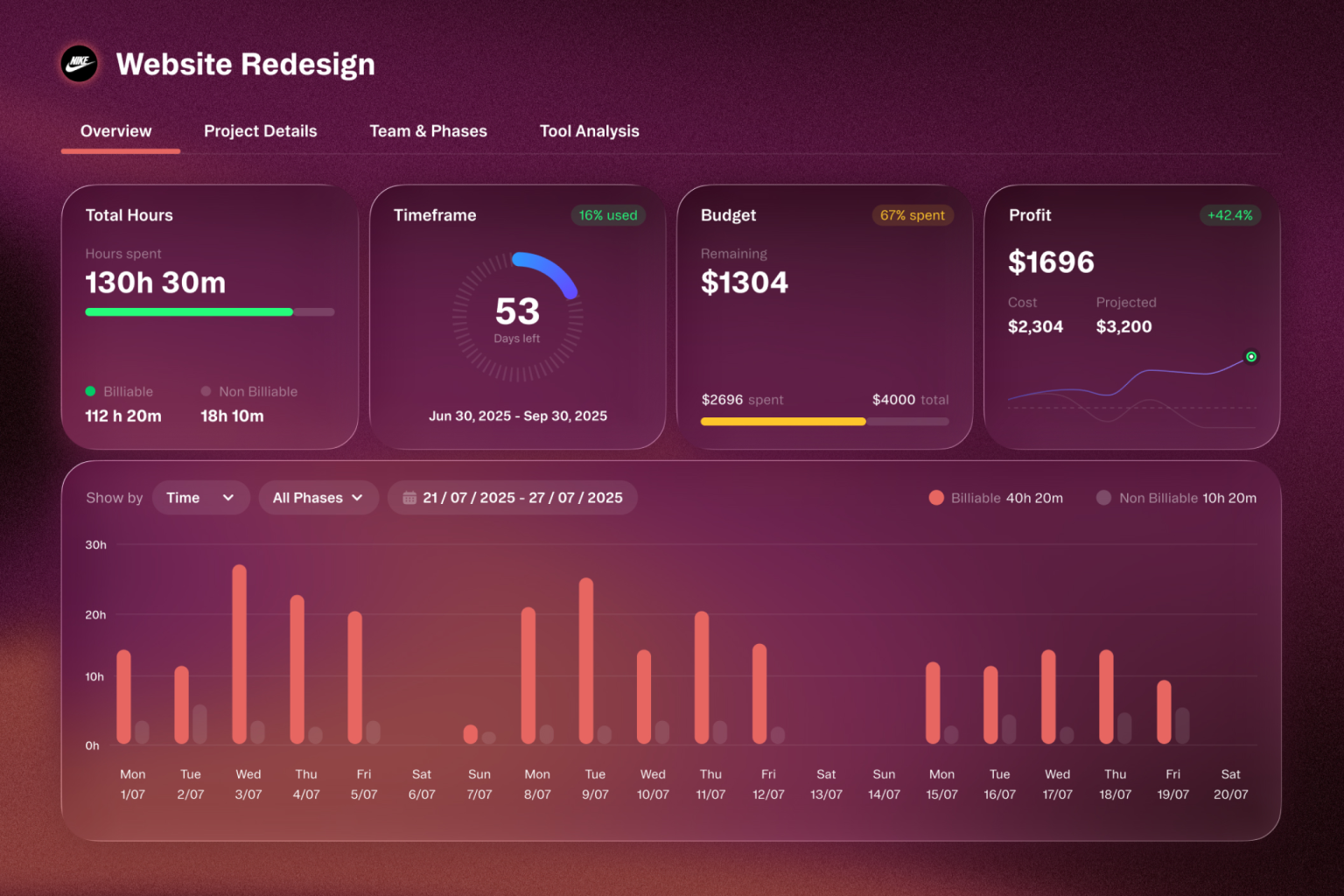
Manifest transforms raw activity into meaningful operational intelligence—surfacing real-time insights into labor costs, tool usage, and the value delivered across clients and projects.

Through streamlined dashboards and intelligent reporting, agency leaders can quickly understand productivity, resource allocation, and project profitability. What was once fragmented across spreadsheets and manual reporting becomes a clear, continuous view of how the organization operates.

This visibility enables agencies to make smarter decisions about how work is scoped, staffed, and delivered.

Designing a Product-First Interface

The interface needed to do more than present data—it needed to make complex operational systems immediately understandable.

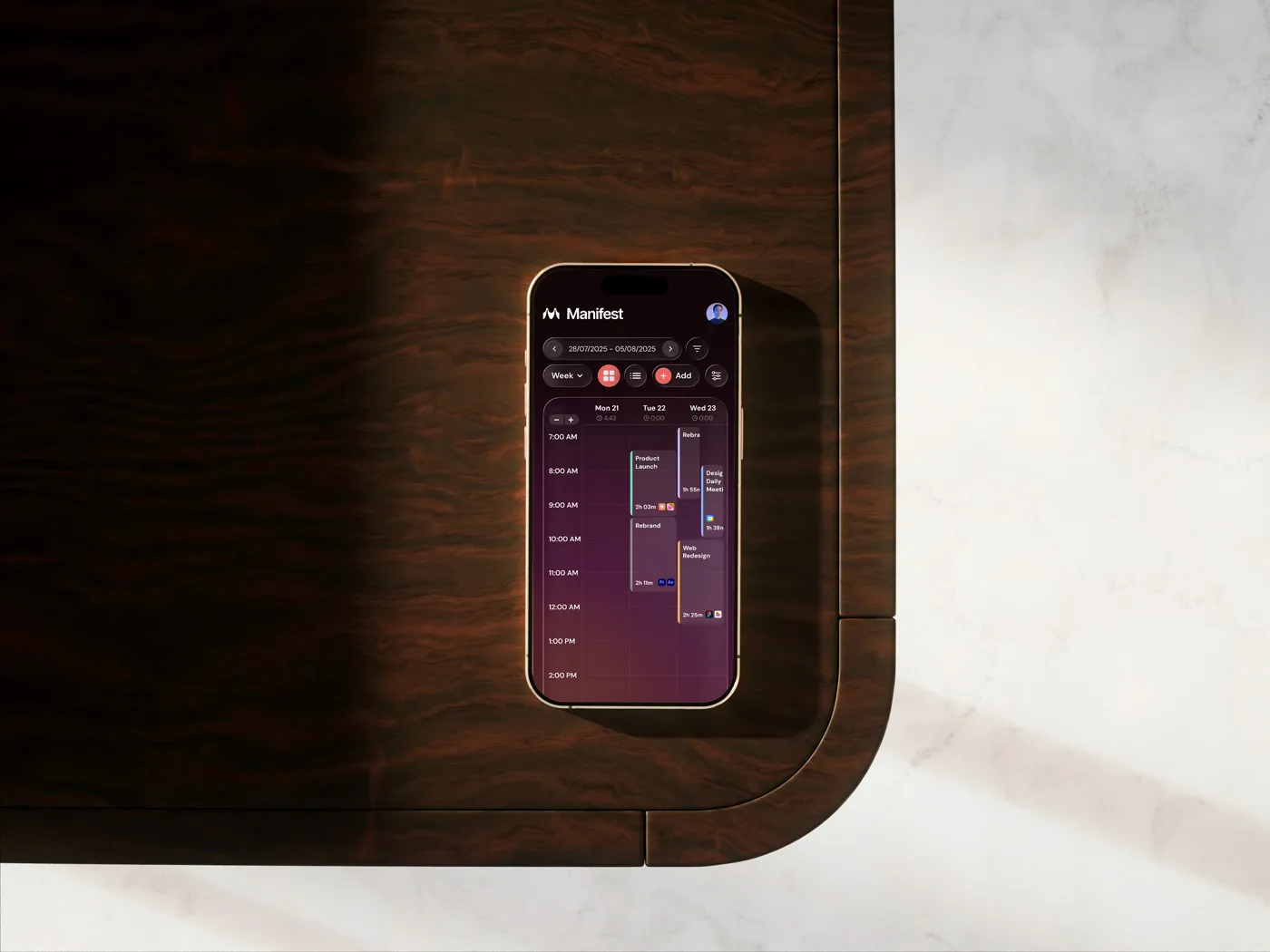
RPPL approached the redesign with a product-first mindset, focusing on clarity, hierarchy, and purposeful interaction patterns. Key insights such as time allocation, project health, and cost visibility are surfaced through structured dashboards and modular data components.

Every aspect of the experience was refined to support quick comprehension and confident decision-making. Simplified navigation, thoughtful visual hierarchy, and clear data visualization allow users to move from activity to insight in seconds.

The result is a platform that feels powerful without feeling complicated—balancing depth of capability with ease of use.

A Platform Built for Scale

As Manifest grows, the product must support expanding teams, new integrations, and increasingly complex operational data.

To support this evolution, RPPL developed a scalable design system that establishes a cohesive visual and interaction language across the platform. From typography and color to data visualization and component architecture, the system ensures consistency while enabling rapid product growth.

Modular UI components allow new features to be introduced without disrupting the overall experience, creating a foundation that can evolve alongside the platform.

By building a strong design framework, Manifest is positioned to scale with the changing needs of modern agencies—supporting a future where AI-powered insights become central to how creative organizations operate.

Designed for Efficiency

The impact of the platform is felt across every level of the agency.

By eliminating manual timesheets, employees regain valuable time in their week—saving an average of two hours previously spent tracking and reporting activity. Managers benefit from automated reporting and real-time visibility, reducing administrative overhead by up to four hours each week.

What once required constant oversight and manual effort becomes an effortless, always-on system for understanding how work happens.

Manifest ultimately gives agencies something they have rarely had before: a clear view of the true cost, value, and productivity behind the work they deliver.